

The Real Stakes of Mission-Critical Security
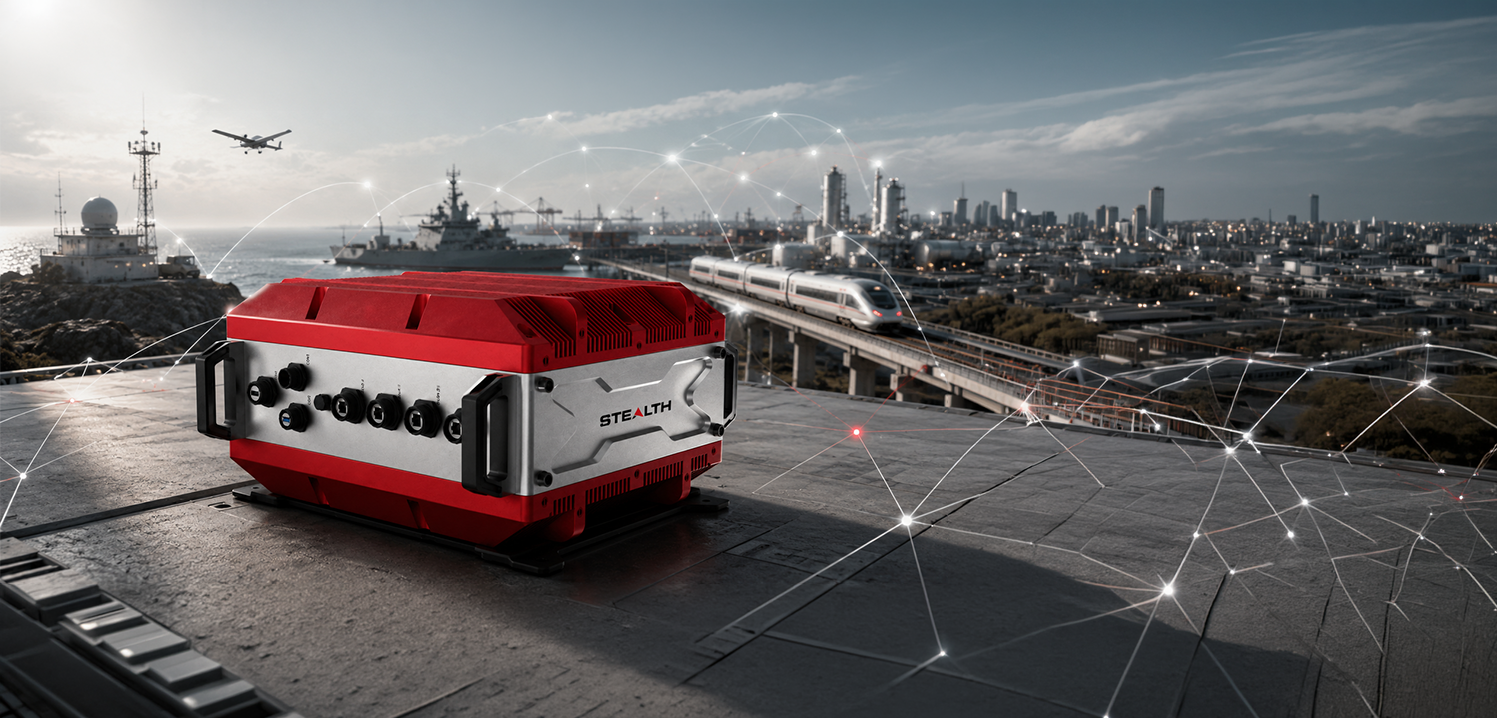
In defense, industrial, and transportation operations, a compromised system isn’t just an IT problem, it’s a mission problem. From forward-deployed sensors relaying data across contested networks, to rail signaling systems, to shipboard command centers, mission-critical hardware operates in a class of risk that ordinary enterprise IT was never built for. As these systems get smarter and more connected, protecting them has to keep pace.
1. When Failure Isn’t an Option
A breach in a mission-critical system doesn’t end with a data breach notice, it can mean mission failure, infrastructure outage, or worse. That’s why security here has to be engineered in from the start, not patched on after the fact.
2. The Attack Surface Is Growing Fast
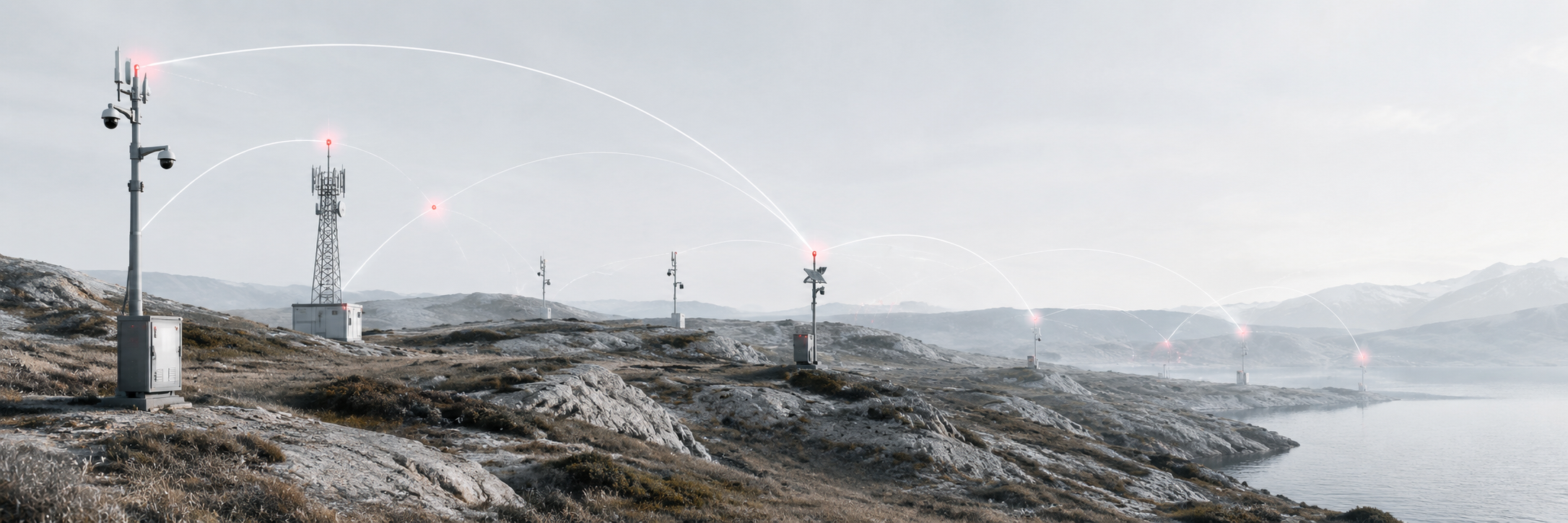
Edge AI means more sensors, more local processing, and more sensitive data living outside the data center than ever before. Every one of those points is a potential target, and a bigger prize than it used to be.
3. Tomorrow’s Computers Are Already a Threat Today
Quantum computing isn’t operational yet, but adversaries don’t need it to be. “Harvest now, decrypt later” attacks capture today’s encrypted traffic and simply wait for the compute power to catch up. For data with a long shelf life, which describes most defense and critical infrastructure data, the migration to quantum-resistant protection needs to start now.
4. Security Has to Be Designed In, Not Bolted On
The most resilient systems don’t treat cybersecurity as software layered on top of hardware after deployment. They build protection into the platform architecture itself, from the silicon up.
Trends Fueling This Shift, And Why You Should Care
Post-Quantum Cryptography (PQC): NIST has finalized the first generation of standardized post-quantum algorithms (FIPS 203/204/205), designed to resist attacks from quantum and classical computers alike. The practical path forward for most organizations is hybrid encryption—running classical and post-quantum algorithms side by side, so a weakness in either one alone doesn’t compromise the connection.
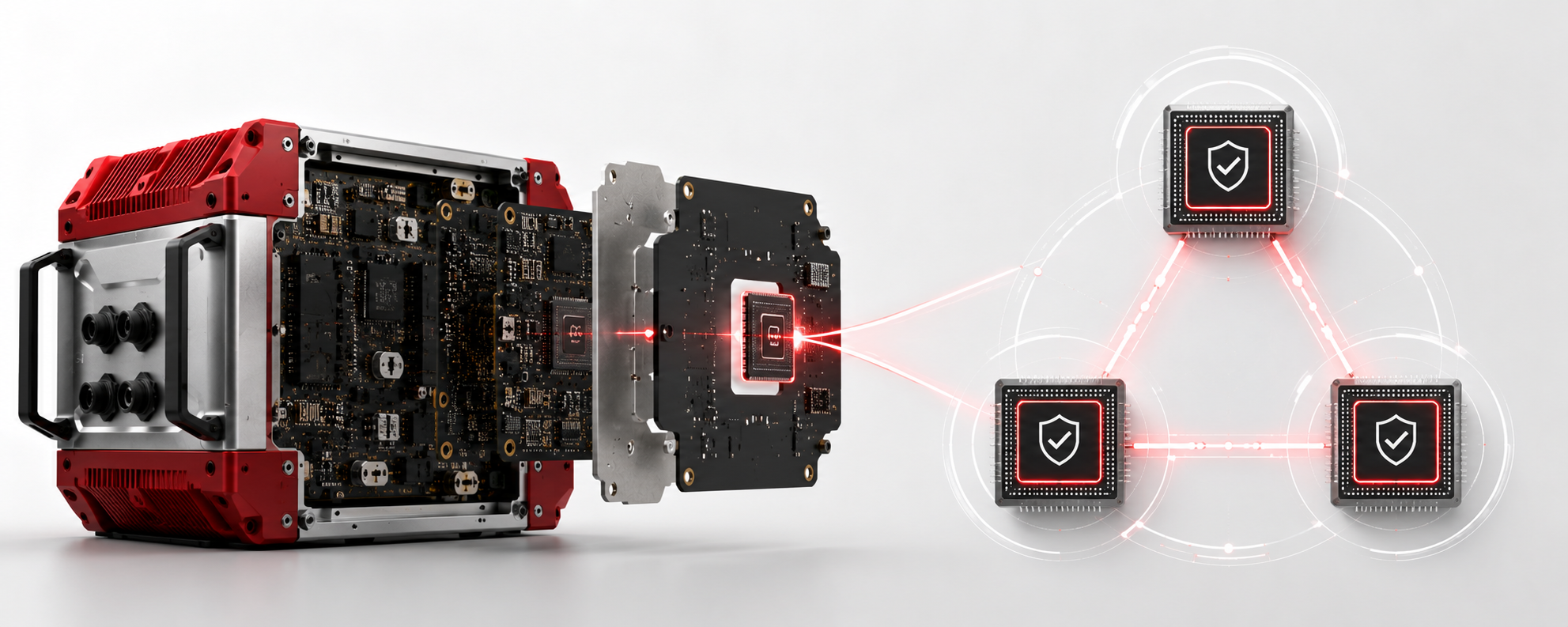
Hardware Roots of Trust: Trusted Platform Modules (TPM 2.0) anchor security in hardware rather than software, sealing cryptographic keys, verifying boot integrity, and proving device identity. The next step in this architecture: multiple independent roots of trust that verify each other, so no single point of compromise brings down the whole system.
Edge AI at Scale: As more processing and decision-making moves to the field, protecting that compute, not just the network around it, becomes mission-critical in its own right.
What This Means for Your Operation
Fewer blind spots. Hardware-rooted security closes gaps that network-only defenses can miss.
Longer service life. Systems built for quantum resistance today won’t need an emergency retrofit once the threat fully matures.
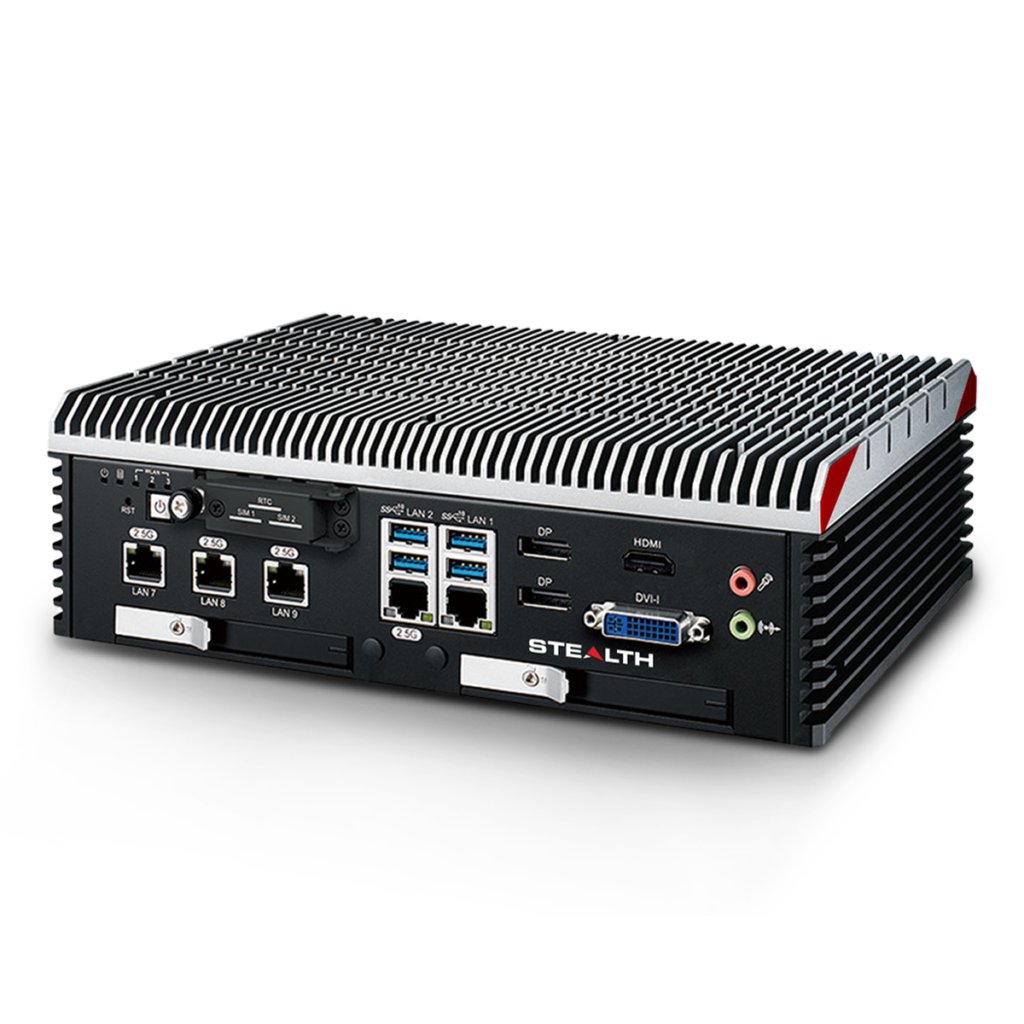
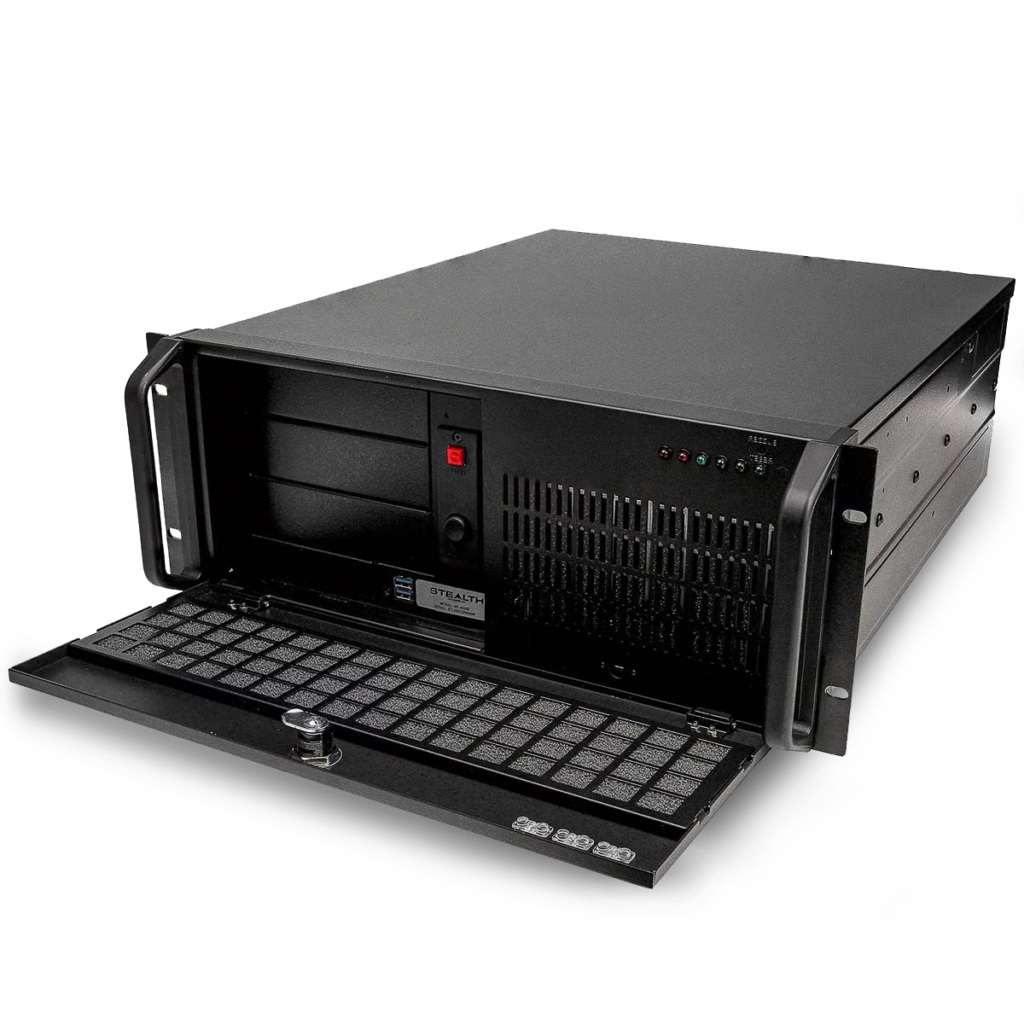
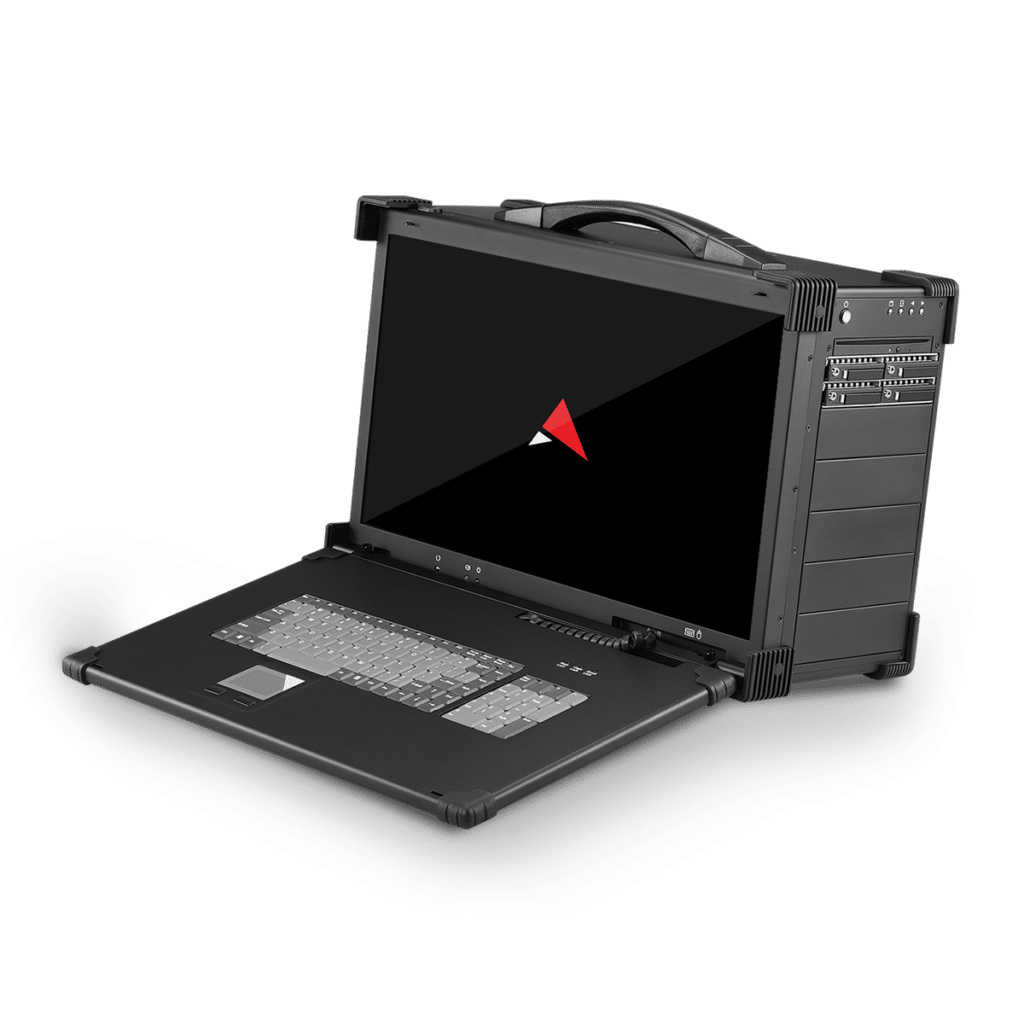
A foundation for what’s next. Stealth is building this architecture into our next generation of rugged edge compute, starting with the Quantum-Safe Edge Server (QSES), combining optional PQC and TLS 1.3 hybrid encryption, dual hardware roots of trust, and edge AI processing in a MIL-STD-focused rugged platform. QSES is completing R&D now, with more to share as it moves toward production qualification.
For organizations across defense, industrial, and critical infrastructure sectors, cybersecurity at the edge isn’t a future problem, it’s a design decision being made right now. The question isn’t whether to build for it. It’s whether your hardware partner already has.
Learn More
Explore Stealth’s defense technology platform
Have a mission-critical compute challenge you’re scoping? Contact our team to talk through your requirements.

About The Author
Daniela Carrasco
Daniela Carrasco is Stealth’s Digital Marketing Coordinator, creating engaging campaigns, visuals, and content that showcase the company’s rugged computing solutions.