


What Rugged Industries Should Prepare For
As we start another year of rapid digital transformation, one thing is clear: edge computing is no longer optional. On 2026, organizations operating in industrial, defense, transportation, energy, and other rugged environments will rely even more heavily on intelligent computing at the edge to stay competitive, resilient, and secure.
But the future of edge computing isn’t just about faster processors or more connected devices, it’s about where computing happens, how it’s protected, and how reliably it performs in real-world conditions.
Here are the key edge computing trends rugged industries should be preparing for now.
1. Edge AI Becomes the Standard, Not the Exception
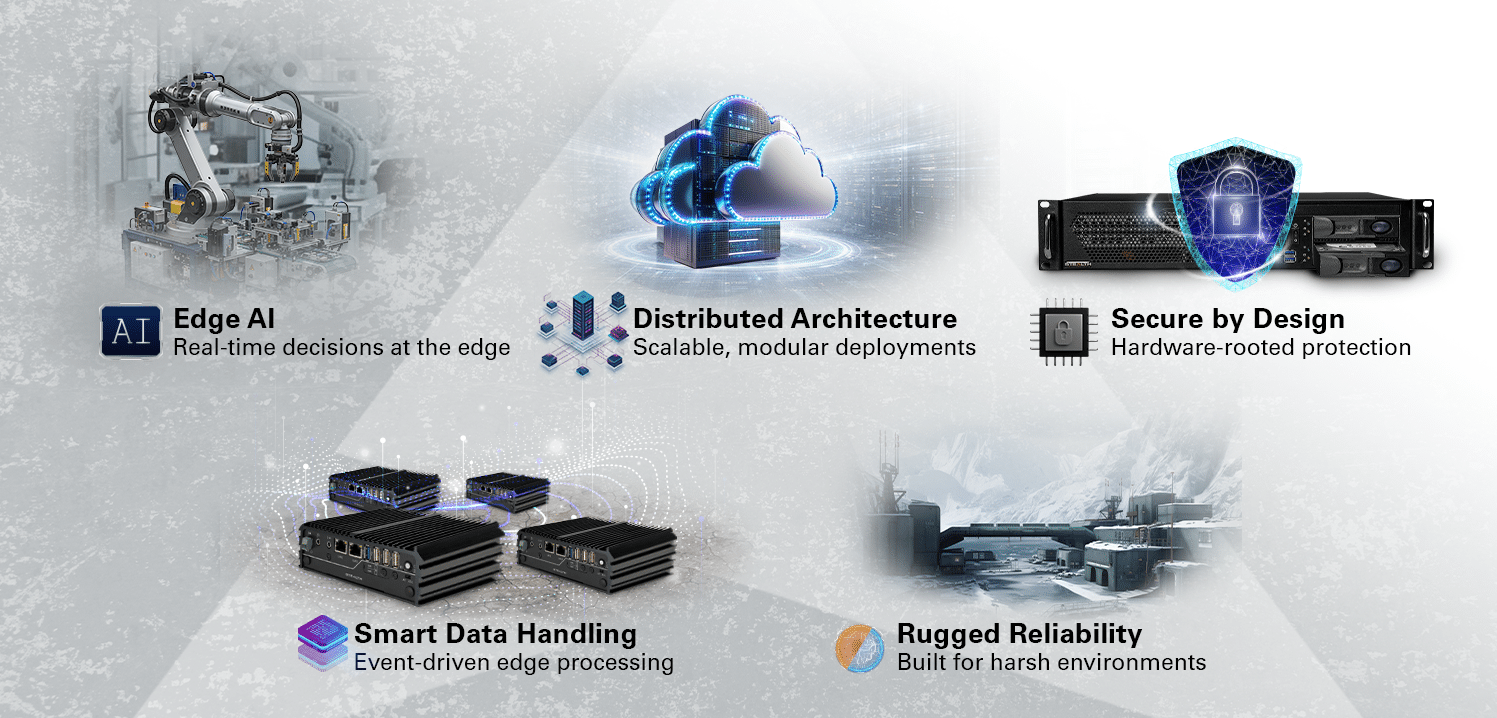
Artificial intelligence is rapidly moving away from centralized data centers and into the field. By 2026, real-time AI inference at the edge will be standard across many industrial applications.
What this means for rugged environments:
- Lower latency for time-critical decisions (machine vision, predictive maintenance, autonomous systems)
- Reduced bandwidth usage by processing data locally
- Improved reliability when connectivity is limited or intermittent
Supporting AI at the edge requires computing platforms that deliver high performance in compact, ruggedized designs, capable of operating reliably in extreme temperatures, vibration, and harsh conditions.
Stealth Insight
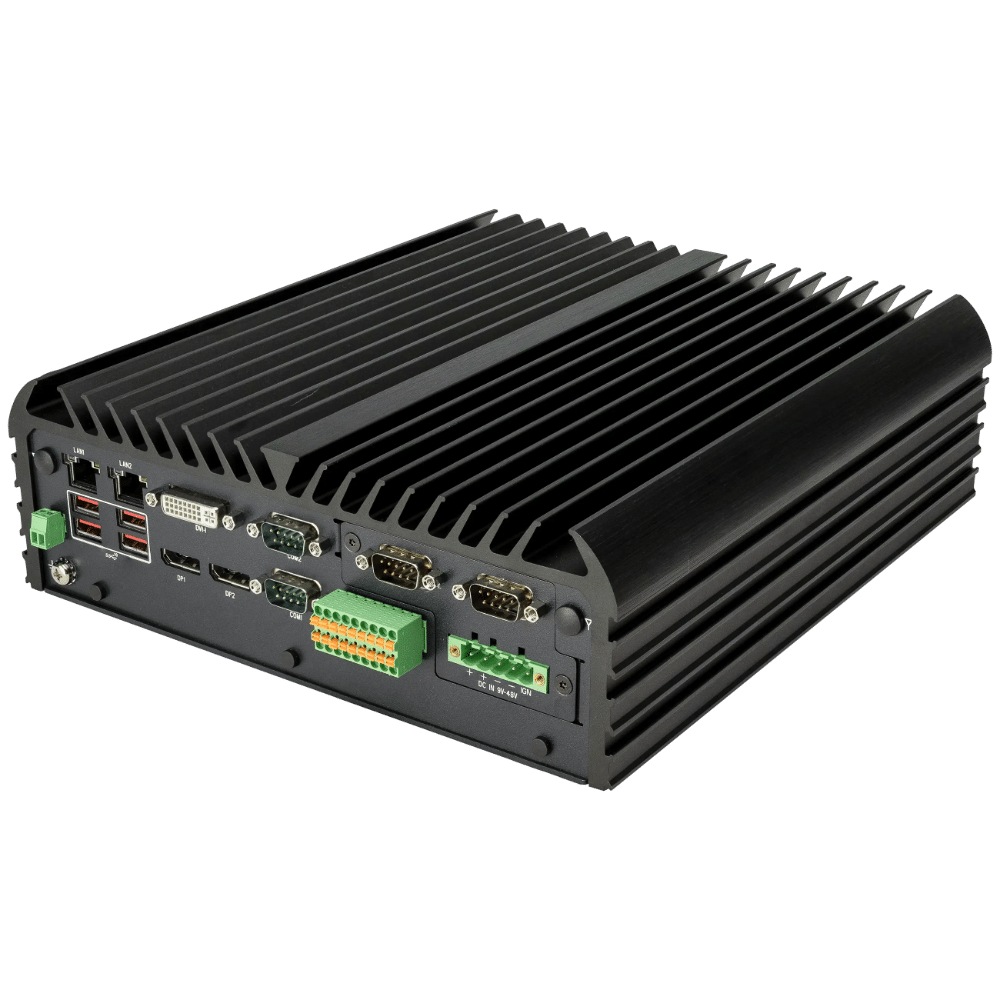
Planning for edge AI means choosing rugged platforms with expandable performance and GPU capability, tailored for compute-heavy workloads without compromising durability. Explore the LPC-900 Series rugged mini-PCs designed to support GPU-accelerated inference and multi-display use cases.
Discover LPC-900 rugged edge computers
2. Distributed Edge Architectures Will Expand
Edge computing is becoming increasingly distributed. Instead of a single on-site system, organizations are deploying multiple layers of edge nodes, from device-level computing to on-premises micro data centers.
Why this matters:
- Enables scalable, modular deployments
- Improves redundancy and fault tolerance
- Supports geographically dispersed operations
For rugged industries, this trend places new emphasis on consistency and reliability across deployments, whether systems are installed in factories, vehicles, remote facilities, or outdoor enclosures.
Stealth Insight
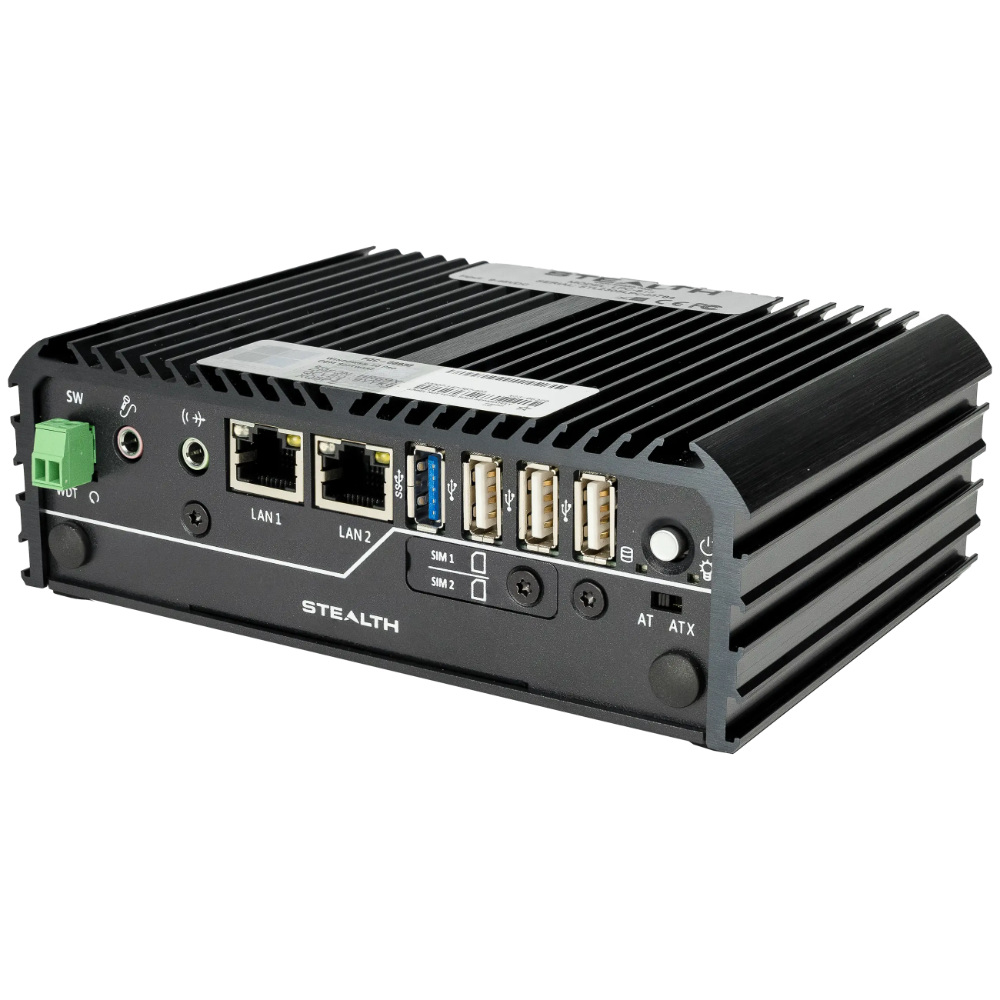
Standardizing on rugged, modular platforms simplifies distributed edge deployments and reduces long-term maintenance complexity. The LPC-800 Series offers fanless, modular configurations across a range of CPU options, allowing you to tailor compute profiles across sites.
See rugged modular mini PCs for scalable edge deployments
3. Cybersecurity Moves Closer to the Hardware
As edge deployments grow, so does the attack surface. By 2026, cybersecurity strategies will increasingly focus on securing edge hardware itself, not just networks and software.
Key developments include:
- Hardware-based security features
- Secure boot and trusted platform modules
- Physical tamper resistance for exposed systems
In rugged and remote environments, where systems may operate unattended hardware-level security becomes essential.
Stealth Insight
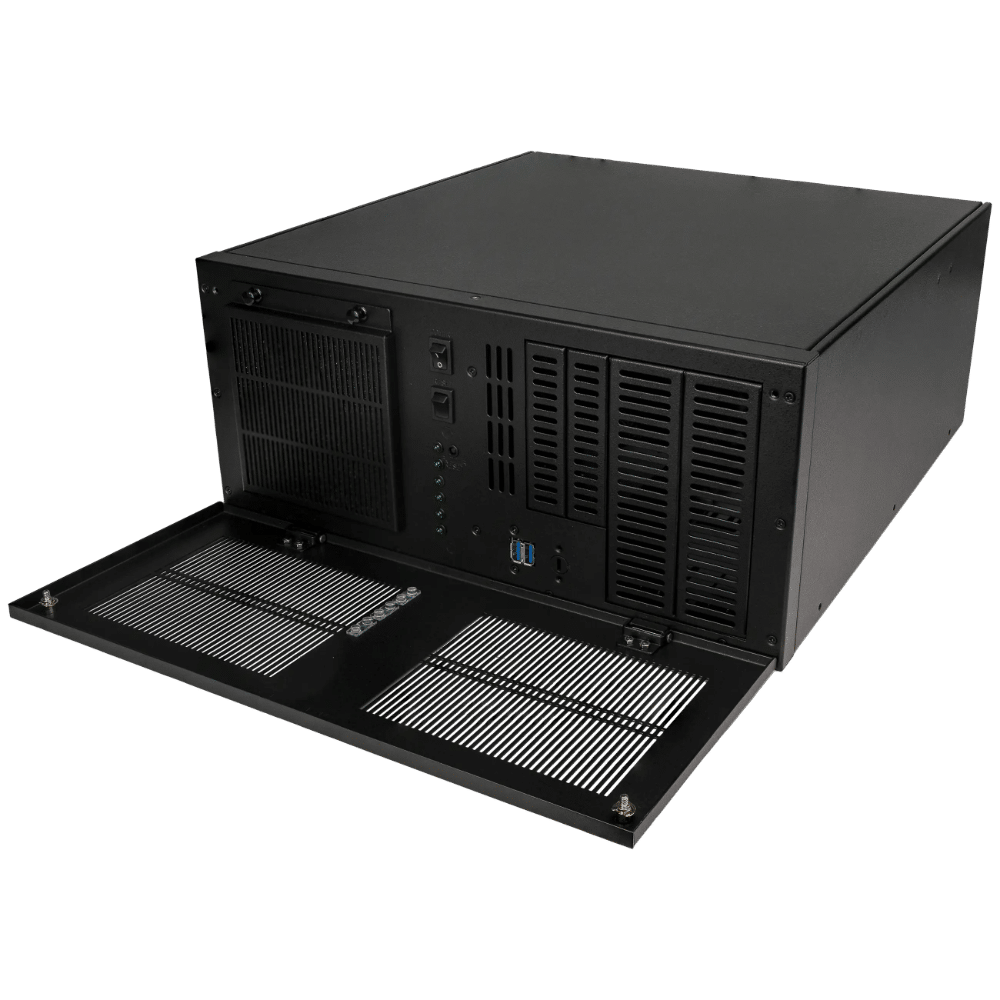
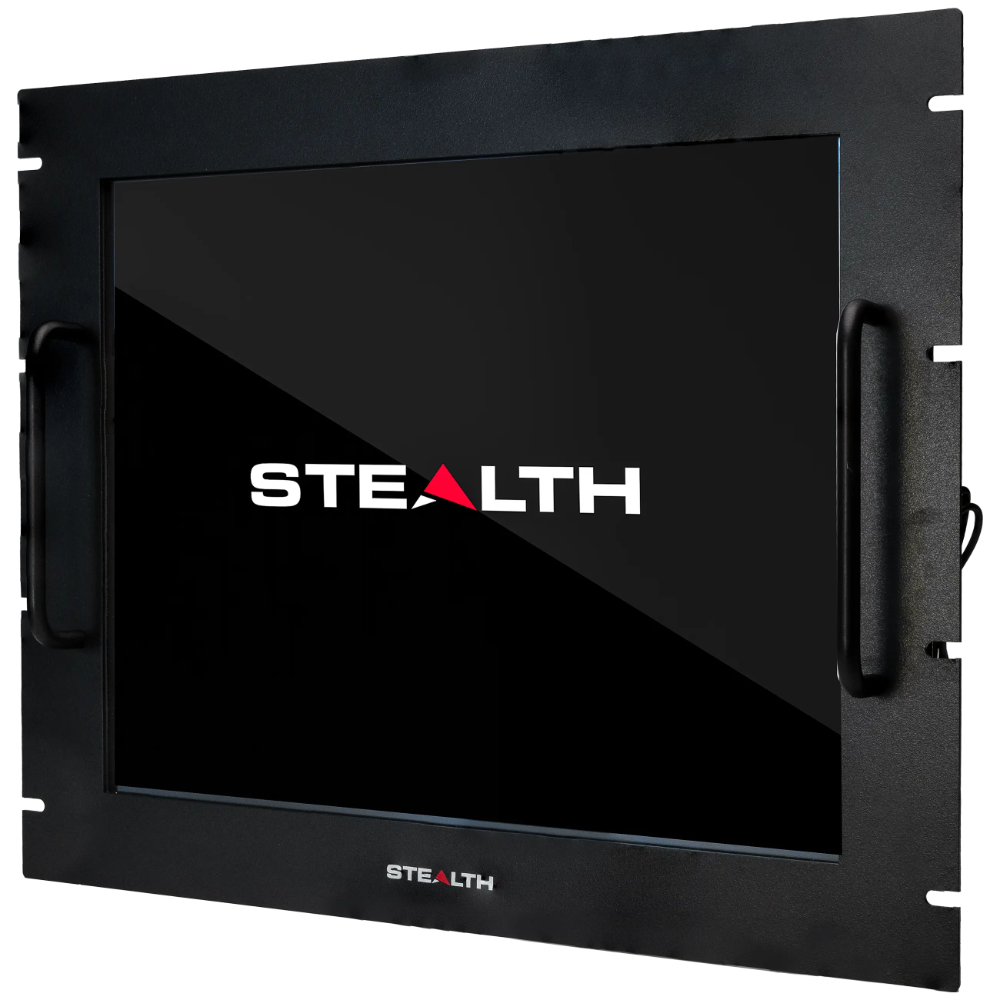
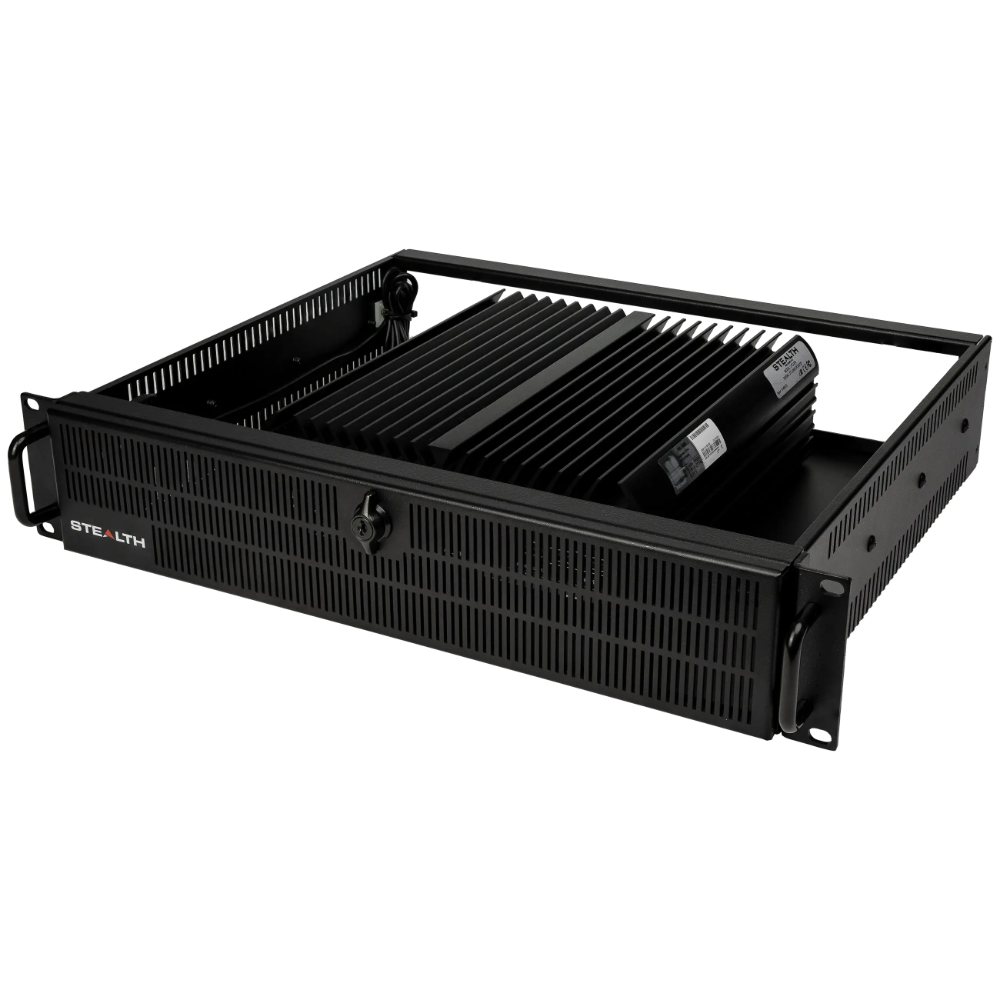
Securing edge compute starts with reliable, rugged hardware built for real-world deployment and long lifecycles. Whether you’re deploying mini PCs, panel PCs, or rackmount systems, choose hardware designed for mission-critical uptime.
Explore Stealth’s full rugged computing lineup
4. Intelligent Data Orchestration at the Edge Gains Importance
Edge computing is no longer just about processing data locally, it’s about deciding what data matters, where it should go, and when.
By 2026, organizations will increasingly rely on:
- Intelligent data filtering at the edge
- Event-driven processing
- Seamless integration between edge, on-prem, and cloud systems
This places new demands on edge platforms to support flexible I/O, connectivity, and long-term software compatibility, all while maintaining rugged reliability.
Stealth Insight
Choose rugged systems with diverse I/O and connectivity options so your edge infrastructure can adapt as requirements evolve. Stealth’s wide temperature mini PCs, built for extreme environmental ranges, deliver consistent performance across diverse deployments.
Check out wide temperature rugged mini PCs
5. Reliability and Longevity Will Outweigh Short-Term Performance Gains
As edge deployments scale, the real cost of downtime becomes impossible to ignore. By 2026, rugged industries will prioritize total cost of ownership over short-term performance gains.
Key priorities include:
- Fanless or low-maintenance designs
- Wide operating temperature ranges
- Resistance to shock, vibration, dust, and moisture
- Long-term product availability
Organizations are increasingly moving away from consumer-grade hardware toward purpose-built rugged systems engineered for continuous operation.
Stealth Insight
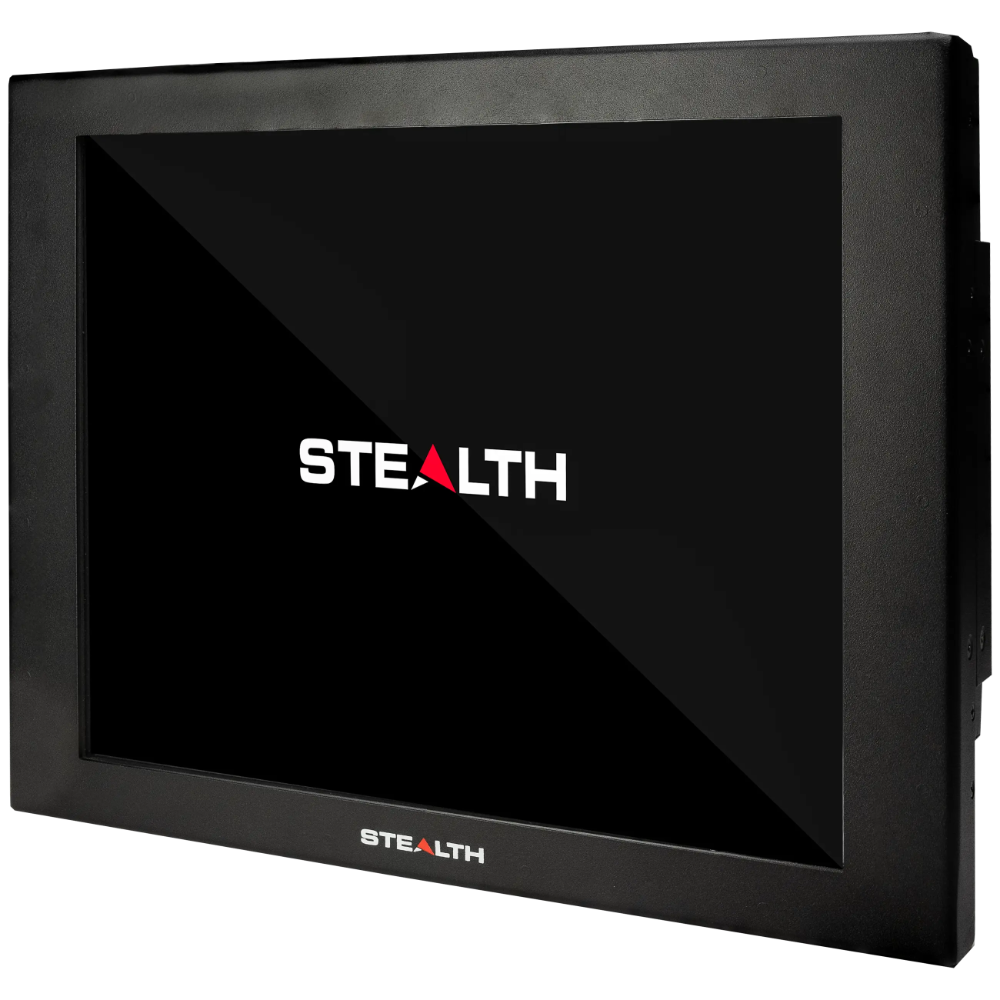
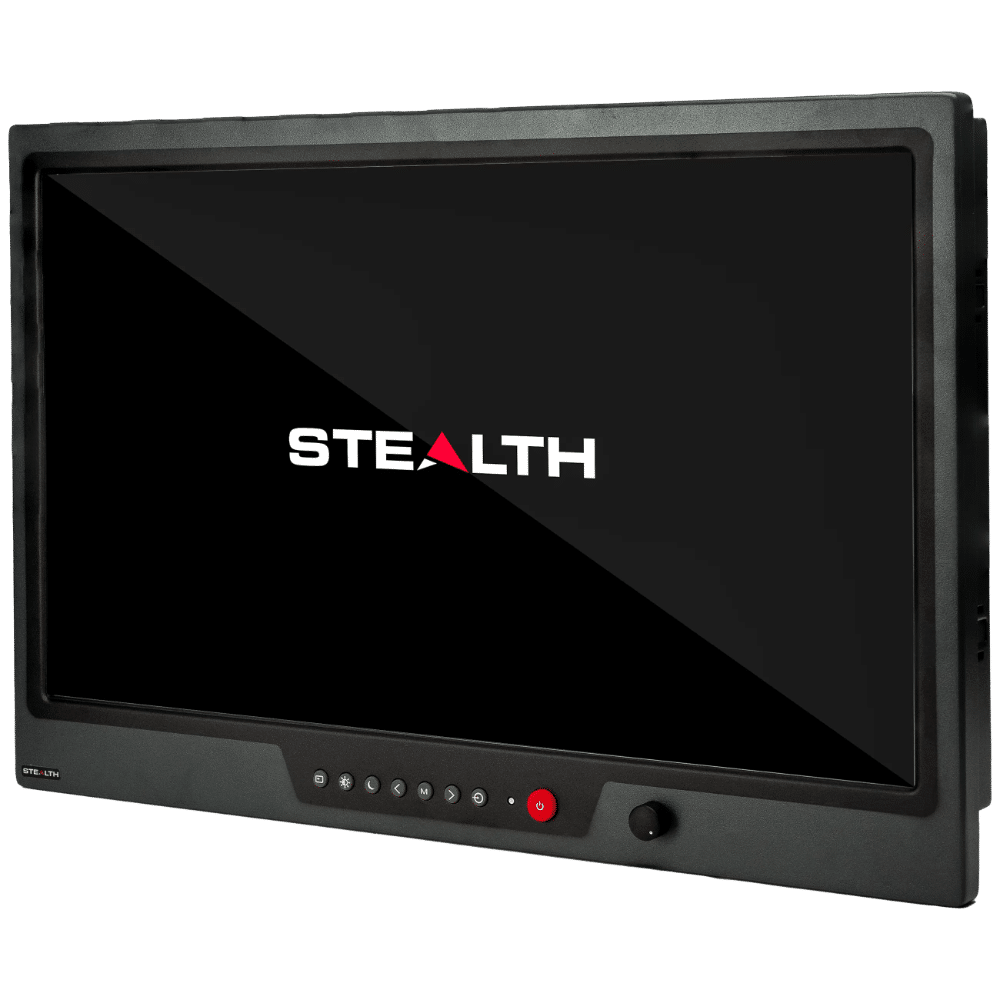
Design for longevity with hardware engineered for long lifecycles and minimal maintenance. From rugged panel PCs for HMI/SCADA control to rugged portables like the StealthBox for mobile command use, durable architecture pays dividends in uptime and reliability.
Explore rugged panel PCs and portable systems:
Looking Ahead
Edge computing in 2026 will be defined by intelligence, distribution, security, and resilience. For rugged industries, success will depend on choosing computing platforms that are not only powerful but built for real-world environments.
As this year starts, now is the ideal time to evaluate whether your edge infrastructure is ready for what’s next — and whether it’s built to perform reliably for years to come.
Related Products
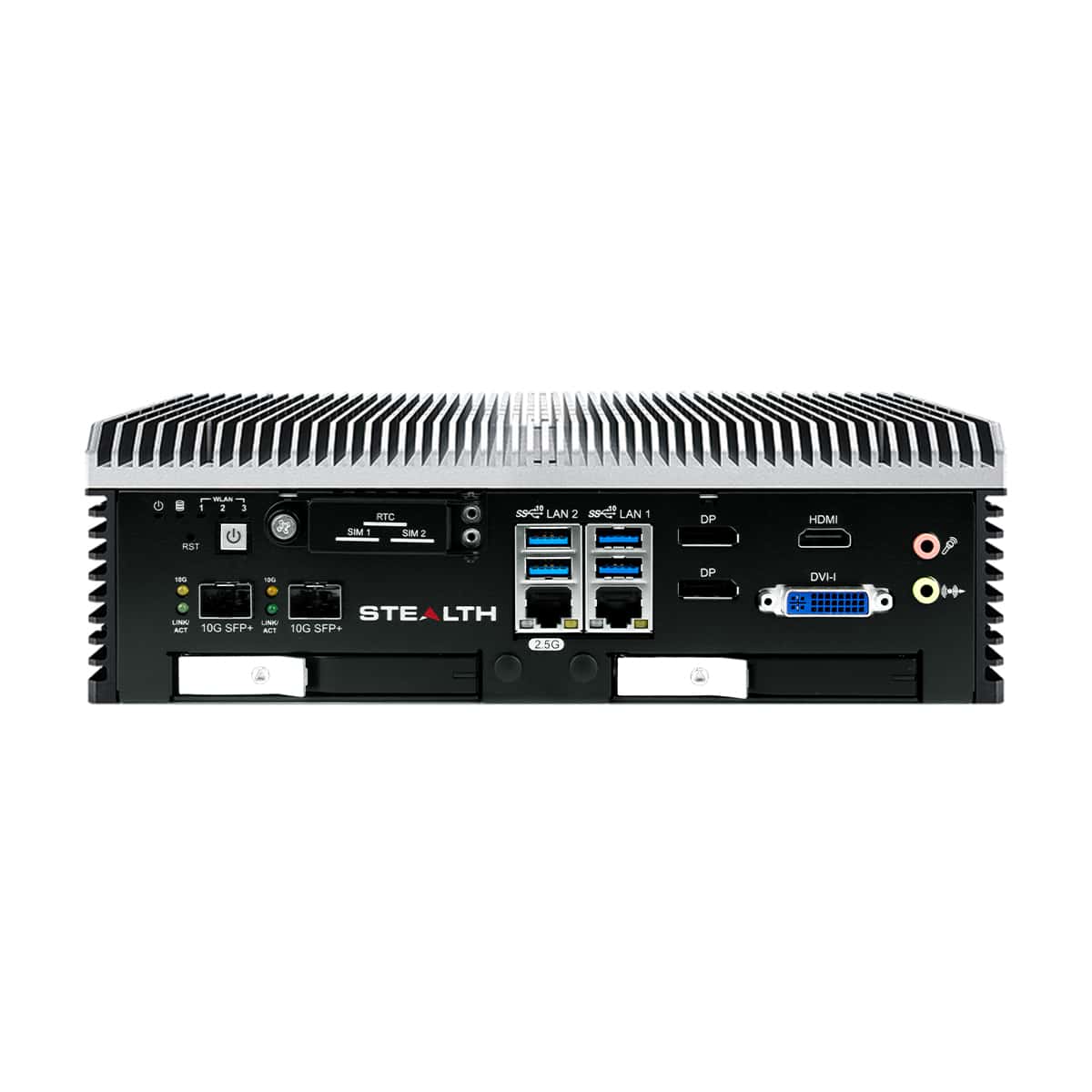
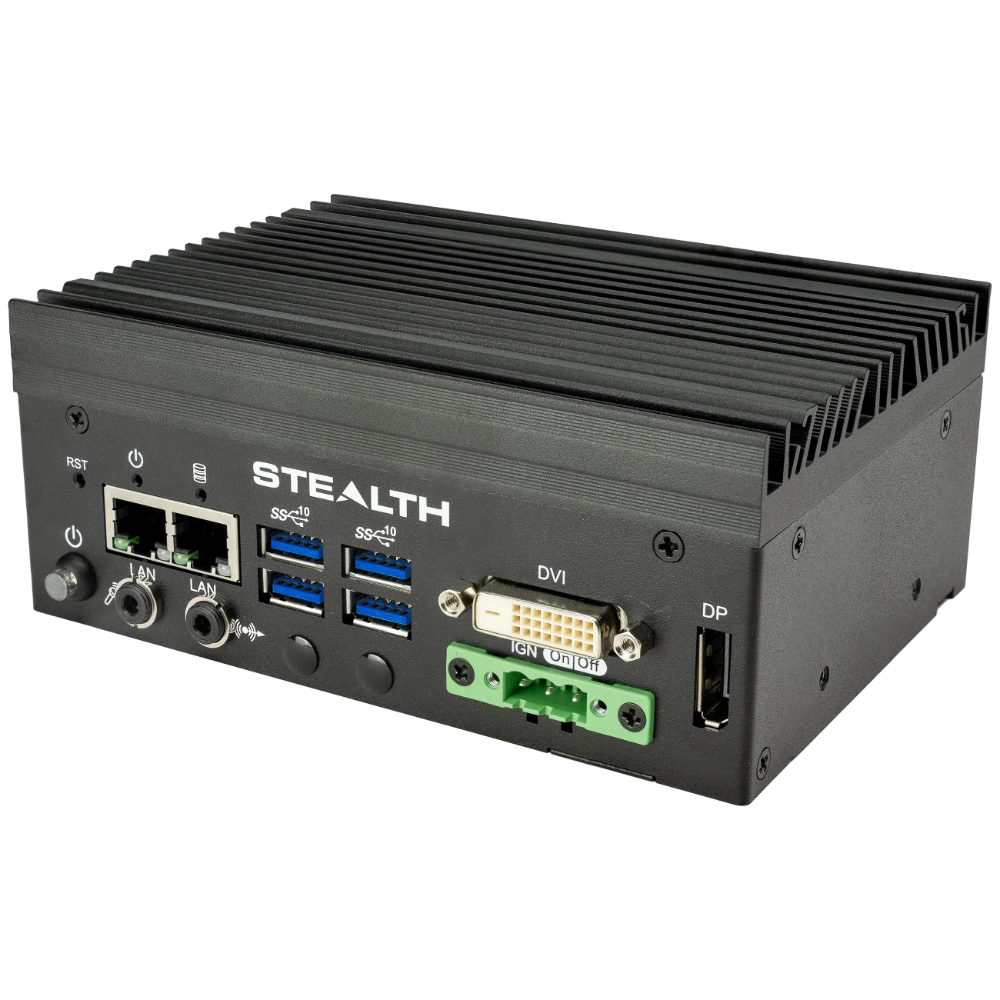
High-Performance Rugged Edge Systems
Built for AI inference, machine vision, and compute-intensive edge workloads in harsh environments.
.
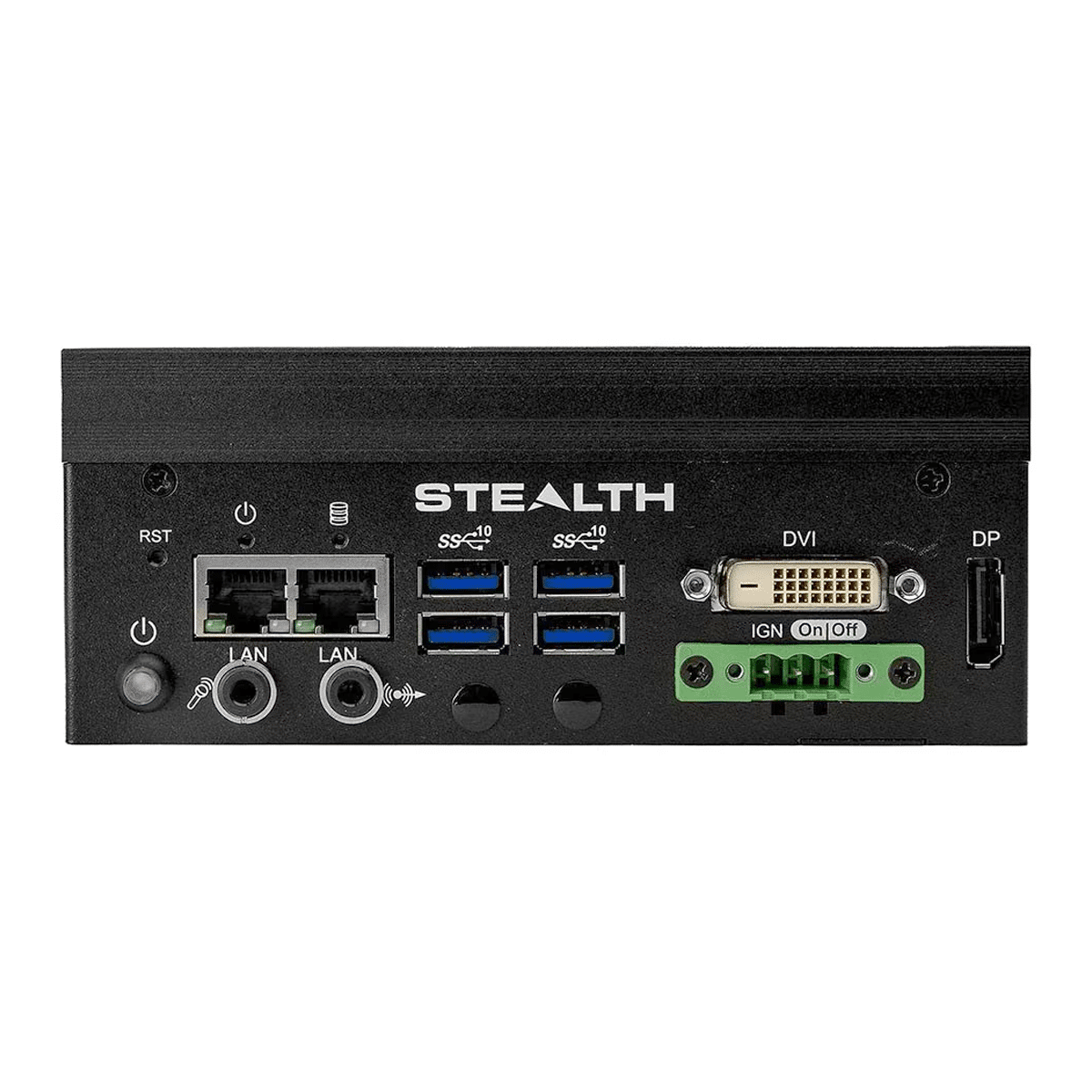
Fanless & Modular Industrial PCs
Ideal for distributed edge deployments where reliability, scalability, and low maintenance are critical.
.
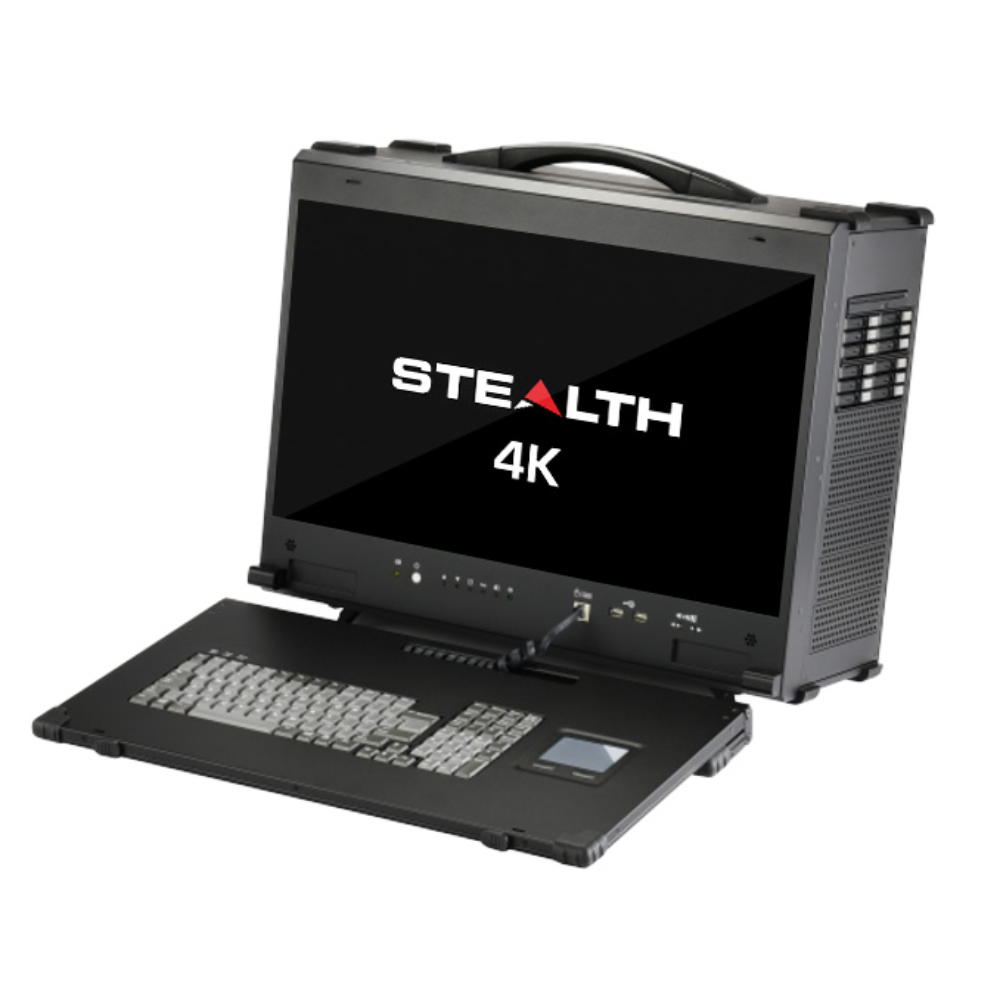
Mobile & Mission-Critical Rugged Systems
Designed for mobile, remote, and mission-critical edge environments where traditional infrastructure doesn’t exist.

About The Author
Daniela Carrasco
Daniela Carrasco is Stealth’s Digital Marketing Coordinator, creating engaging campaigns, visuals, and content that showcase the company’s rugged computing solutions.